










FDA COVID-19 Vaccine Approval Sparks Controversy Over Restrictions and Leadership Decisions
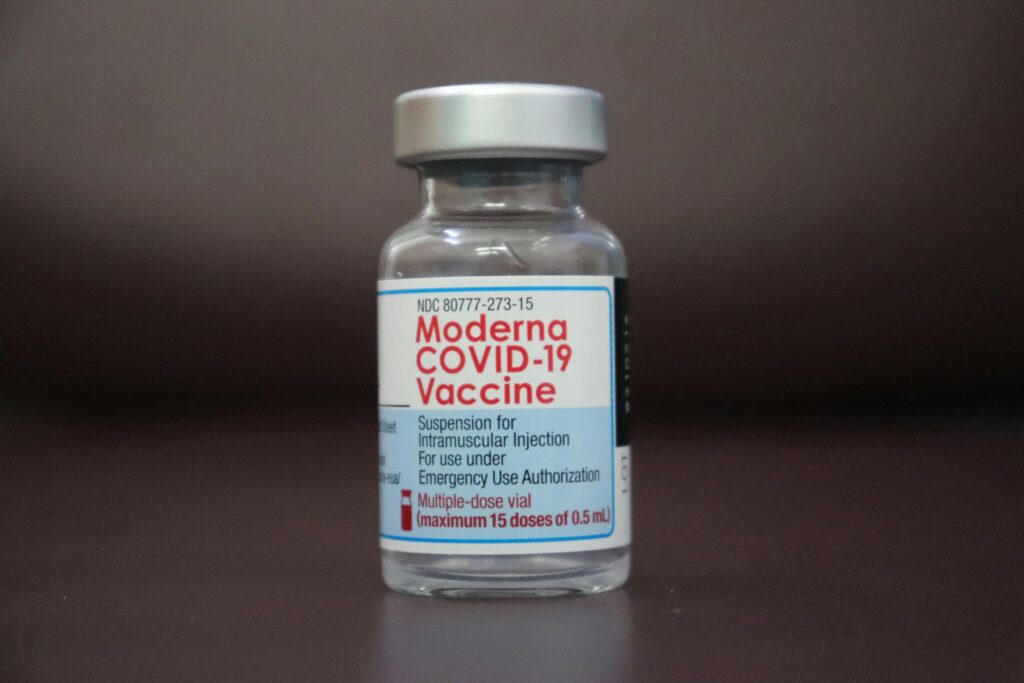
The FDA COVID-19 vaccine approval has once again brought the nation’s attention to the evolving landscape of pandemic management. On Wednesday, the FDA authorized updated vaccines from Pfizer, Moderna, and Novavax, but with strict limitations. While seniors over 65 are fully eligible, younger individuals are recommended only if they have “at least one underlying condition that puts them at high risk for severe outcomes from COVID-19.” Additionally, the Pfizer vaccine’s emergency use authorization for children under five has been revoked, removing one option for the youngest population.
These changes highlight ongoing debates about vaccine access, public health policy, and how science informs regulatory decisions.
FDA COVID-19 Vaccine Approval: Key Restrictions and Eligibility
( FDA COVID-19 Vaccine Updates)
The latest FDA COVID-19 vaccine approval emphasizes a targeted approach. Seniors and individuals with high-risk conditions remain the priority, reflecting data on severe COVID-19 outcomes. However, critics argue that this narrower guidance may leave younger populations confused about their options and could undermine public confidence in vaccination campaigns.
By limiting eligibility, the FDA is attempting to balance safety with the need to provide protection to those most vulnerable. But the removal of pediatric options raises questions about risk communication, parental decision-making, and long-term public health strategy.
CDC Leadership Tensions and Public Health Implications
(CDC COVID-19 Vaccine Recommendations)
Complicating the discussion is controversy at the Centers for Disease Control and Prevention (CDC). A report from The Washington Post suggested that CDC Director Susan Monarez had been removed following the FDA’s announcement. The Department of Health and Human Services (HHS), now under Robert F. Kennedy Jr., confirmed structural changes but did not provide clear details.
Legal representatives for Monarez disputed reports of her dismissal. Mark Zaid, her attorney, stated, “Dr. Monarez has neither resigned nor yet been fired. She will not resign.” Monarez is reportedly being targeted for refusing to implement directives she considered “unscientific,” highlighting a conflict between scientific integrity and political pressures in public health leadership.
H3: Ethical Questions Arising from FDA COVID-19 Vaccine Approval
This situation underscores deeper ethical and governance issues:
- Should public health officials be compelled to enforce policies they believe lack scientific support?
- How do leadership changes impact public trust in the CDC and FDA?
- Are limited vaccine recommendations truly protecting the public or merely creating confusion?
The intersection of policy, science, and communication has never been more visible, and the FDA COVID-19 vaccine approval is at the center of this debate.
H3: Public Reactions and the Path Forward
Public response to the FDA’s new guidance has been mixed. Supporters argue that prioritizing seniors and high-risk groups is data-driven and prudent. Critics fear that restricting access may discourage younger adults from considering vaccination altogether.
Meanwhile, parents of young children are left navigating uncertainty after the revocation of Pfizer’s authorization for under-fives. Clear communication from both the FDA and CDC will be critical to ensure confidence in the nation’s pandemic response.
Conclusion: FDA COVID-19 Vaccine Approval and the Future of Public Health
The FDA COVID-19 vaccine approval illustrates the delicate balance between science, policy, and public trust. Narrowed eligibility, combined with leadership disputes at the CDC, underscores how pandemic decisions are as much about credibility and accountability as they are about vaccines themselves.
As Americans digest these updates, ongoing scrutiny, transparent communication, and debate will be essential to navigate both COVID-19 vaccine distribution and broader public health strategies. The conversation is far from over—and the stakes have never been higher.