









Making Naija Pidgin Official: A Cultural and National Game-Changer
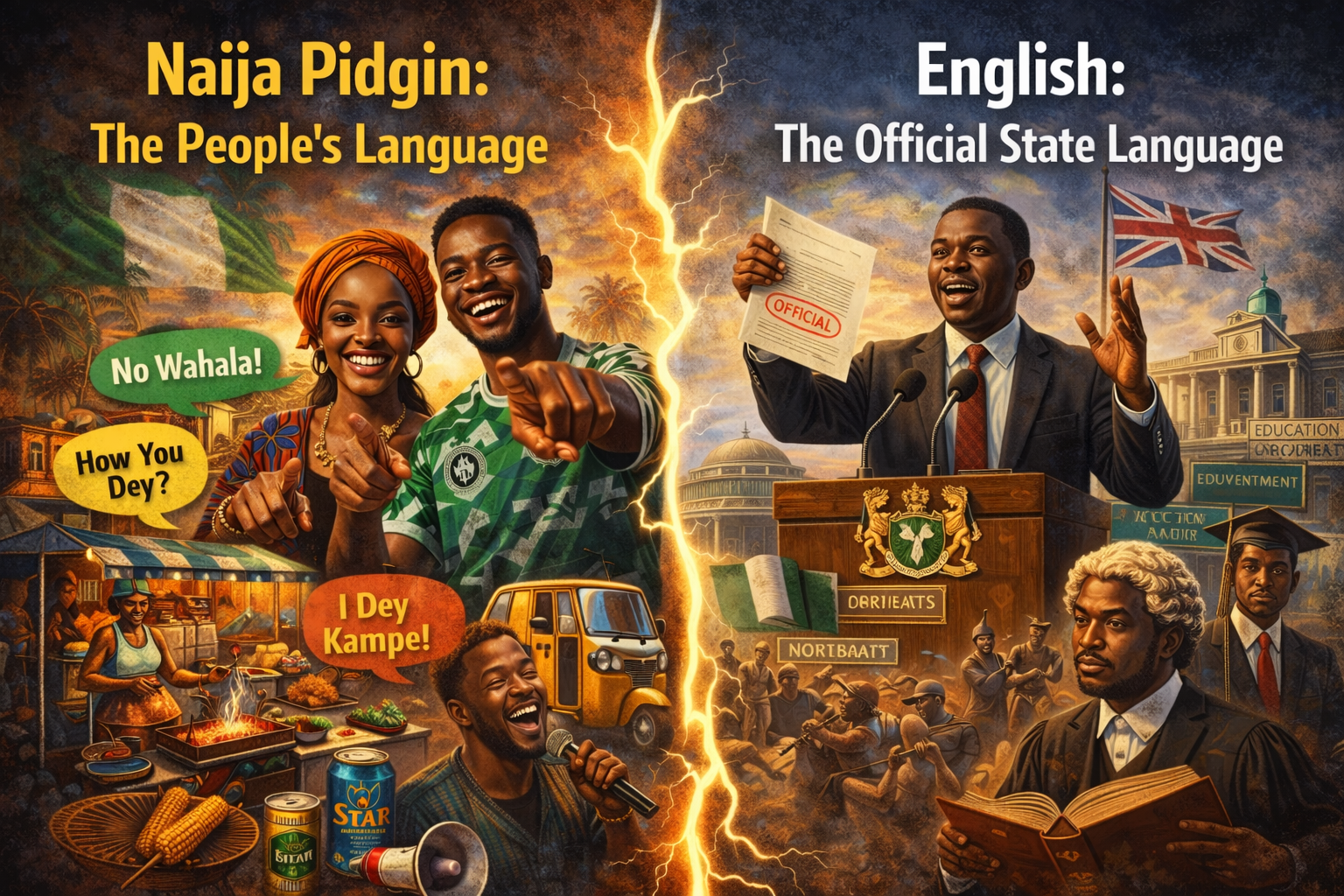
Nigeria is home to over 500 indigenous languages, yet English remains the official medium for government, education, and formal communication. While English connects Nigeria to the global community, it also creates barriers for the majority of citizens, many of whom are more fluent in Naija Pidgin English.
Recognizing Naija Pidgin as an official language is more than a symbolic gesture. It could transform national identity, social inclusion, and communication across the country, with significant implications for education, politics, and culture.
1. National Unity and Inclusion
Naija Pidgin cuts across tribes, regions, and social classes. Unlike English, which historically has been elite-focused, Pidgin is accessible to everyone, from Lagos megacities to remote villages.
Official recognition would allow all Nigerians to participate meaningfully in governance, media, and education, regardless of educational background.
Example: Public announcements, government policies, and civic campaigns delivered in Pidgin would be universally understood, reducing miscommunication and alienation.
2. Strengthening Cultural Identity and Pride
Pidgin is uniquely Nigerian—a linguistic reflection of the nation’s creativity, resilience, and humor. Official status would validate and preserve cultural heritage, including proverbs, folklore, idioms, and oral traditions.
By celebrating Pidgin as a national language, Nigeria sends a clear message: local culture matters, and indigenous forms of expression are worthy of respect.
3. Improved Communication Across the Population
Around 75–80% of Nigerians already understand Pidgin, making it an ideal medium for clear and relatable communication.
Official use could:
- Simplify healthcare campaigns
- Improve civic education
- Reduce misunderstandings caused by formal English
Example: Health initiatives or voting guides in Pidgin achieve higher engagement, as citizens feel the messages speak directly to them.
4. Boosting Education and Literacy
Research shows that learning in a familiar language enhances comprehension and retention.
Implementing a Pidgin-first education model could:
- Improve literacy rates among children
- Reduce the gap between rural and urban students
- Provide a smoother transition to English and other official subjects
Pidgin-based teaching recognizes local realities while still enabling global engagement.
5. Media and Creative Industry Growth
Pidgin thrives in music, movies, comedy, and social media. Official recognition would legitimize creative content and unlock new markets.
- Afrobeats lyrics, Nollywood scripts, and viral comedy skits in Pidgin would gain formal recognition.
- Nigerian media products could become more exportable internationally, leveraging the global fascination with African culture.
6. Political Participation and Civic Engagement
Language barriers can suppress citizen engagement. Official Pidgin use in:
- Laws and regulations
- Voting instructions
- Civic campaigns
…would help more Nigerians understand policies and participate in democratic processes, reducing political apathy caused by linguistic exclusion.
7. International Recognition
Naija Pidgin as an official language would position Nigeria as a global cultural innovator.
- Tourists and cultural diplomats would be drawn to the country’s vibrant linguistic identity.
- Across West Africa, where Pidgin is understood in several countries, Nigeria could assert cultural leadership.
In One Line
“Making Naija Pidgin official would unite Nigeria, amplify culture, and make communication inclusive, relatable, and powerful.”
Language in contemporary African cultures and societies