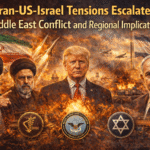







Introduction — Trump Iran Response Options Under Intense Scrutiny
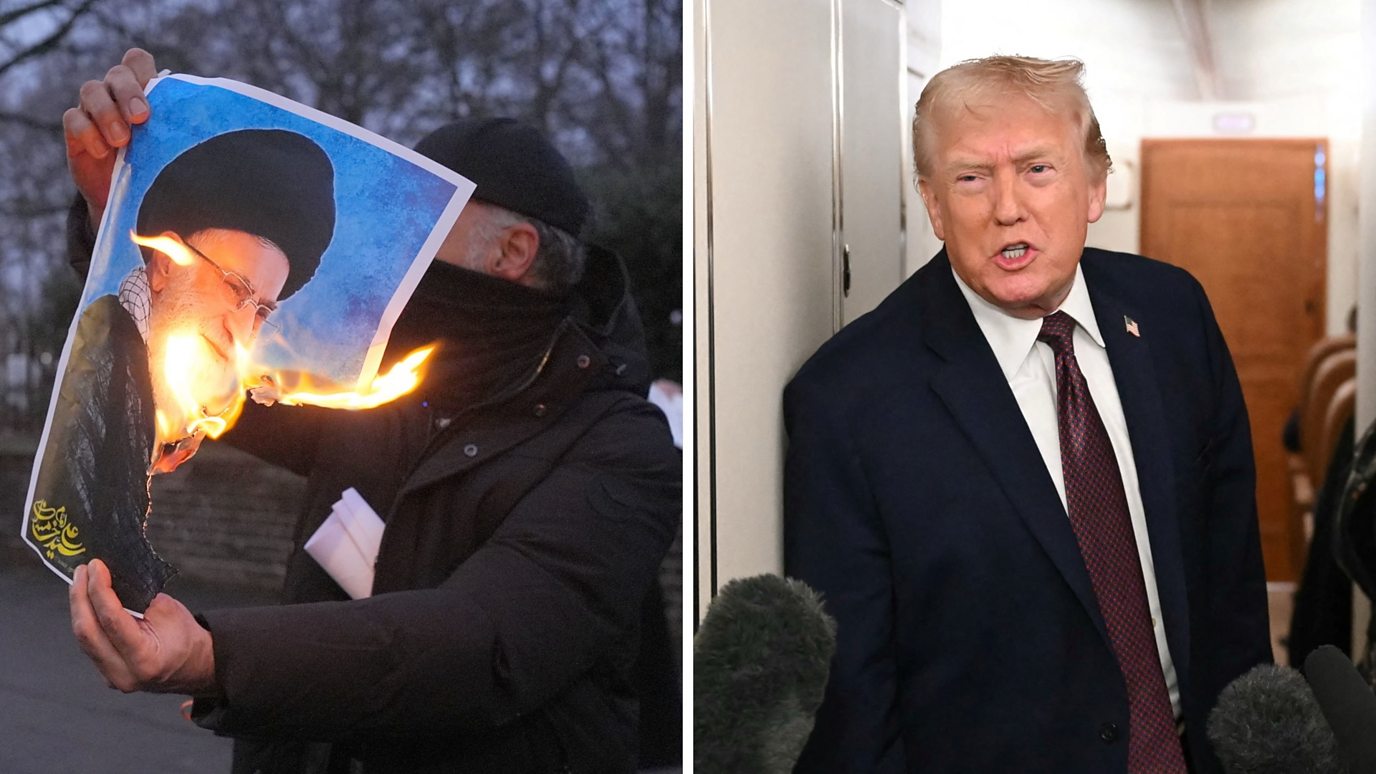
As Iran’s security forces carry out a brutal crackdown on nationwide protests, the world is watching how Trump Iran response options will unfold. Just days ago, President Donald Trump suggested the United States was prepared to “rescue” Iranian protesters if their government used violence against them. News24
Since then, violence has escalated dramatically and thousands have been killed or wounded amid nationwide unrest. Iran’s actions have drawn global condemnation and renewed debate over the limits of U.S. foreign policy, military intervention, economic pressure, and diplomatic engagement in crises abroad.
Trump now faces a pivotal decision: whether to increase economic pressure, pursue military or cyber options, or focus on diplomatic and informational strategies in response to one of the most significant protest movements to challenge the Islamic Republic since 1979. TIME
Iran’s Police Crackdown and Protest Explosion
The protests, sparked in late December, began over economic hardship and inflation but have broadened into widespread rejection of Iran’s political system. Dissidents across cities have taken to the streets, even as authorities impose a communications blackout.
International human-rights groups estimate hundreds — and possibly many more — have been killed in clashes with Iranian security forces. The crackdown has forced many analysts to reevaluate the internal stability of the regime, though Tehran insists the protests are under control and frames them as foreign-influenced unrest.
The severity of the repression has triggered urgent deliberations in Washington over how — or if — the United States should act.
What Trump Has Already Signalled
President Trump has publicly oscillated between forceful language and calls for negotiation:
- He warned that the U.S. would intervene “if Iran shoots and violently kills peaceful protesters,” declaring the nation “locked and loaded” for action.
- More recently, Trump said the U.S. is considering “very strong options” as military, cyber, and diplomatic pathways are evaluated by senior officials.
- Trump also imposed 25% tariffs on countries doing business with Iran, a significant escalation of economic pressure.
Despite warnings, the U.S. has not yet ordered military strikes, and Trump has suggested diplomacy remains on the table, with messages reportedly exchanged between U.S. and Iranian officials.
1. Economic Pressure: Tariffs and Trade Isolation
One of the most immediate tools Trump has deployed is economic pressure.
In a unilateral move, the U.S. announced 25% tariffs on goods from countries trading with Iran, essentially punishing third-party states linked to Tehran’s economy. This tariff policy aims to amplify pressure on Iran by discouraging global business engagement with the country.
Such tariffs could have broad effects:
- Strain relations with major trading partners including China, Turkey, and India
- Trigger retaliatory economic policies
- Deepen Tehran’s isolation, potentially accelerating economic collapse
However, the legal basis for these tariffs has been questioned, with various international trade and legal experts calling for clarity on their authority and scope.
Economic sanctions and tariffs are powerful tools, but they also risk widespread economic fallout and diplomatic backlash if not carefully calibrated.
2. Military Options: From Signals to Signals of Force
While full-scale invasion is widely seen as unlikely, military options remain in discussion.
U.S. officials, according to reports, are reviewing a “wide range of responses,” including kinetic actions such as missile strikes or targeted operations against regime assets.
In the past, the U.S. has demonstrated long-range strike capability — for example, B-2 stealth bombers have been used to hit hardened targets from remote bases, and strategic air assets are routinely repositioned to signal intent.
But Iran is not a lightly armed state; it maintains layered air defenses and a complex network of asymmetric forces. A miscalculation could trigger broader Middle East conflict involving U.S. allies and regional rivals.
3. Cyber Operations and Information Efforts
Another key component of Trump Iran response options is cyber strategy. U.S. cyber units could seek to disrupt Iranian government communications, surveillance systems, or logistics networks. These “non-kinetic” operations aim to weaken a target’s capacity without direct military engagement.
Cyber interventions, while less visible than missiles or troops, carry their own risks. Attacks on infrastructure could lead to retaliation in cyberspace, affecting civilian systems and global networks.
Information campaigns and psychological operations are also under consideration. The U.S. could amplify pro-protest voices or counter Iranian state narratives, particularly in the face of an internet blackout that Tehran uses to limit independent reporting.
4. Diplomacy and Negotiation Pathways
Despite escalating rhetoric, diplomatic avenues have not been closed.
Iran has reportedly maintained open communication channels with U.S. envoys even amid tension over protests. Tehran has told foreign diplomats that it is prepared for war but also open to dialogue.
Trump himself has said that Iran reached out to discuss negotiations, although he warned that action might be necessary before any formal meeting.
Diplomacy, if achievable, could potentially:
- Reduce the risk of military confrontation
- Open space for humanitarian relief
- Create conditions for negotiated de-escalation
But critics warn that talks without real leverage may embolden Tehran or be used by its leaders to manage internal dissent without substantive reform.
5. Covert Support for Protest Movements
Analogous to Cold War-era strategies, covert assistance — including communication tools, safe internet access, and non-lethal aid — could be part of the U.S. toolkit.
Tehran’s internet shutdowns are intended to disrupt protest coordination and limit independent reporting, pushing activists to seek satellite internet or VPN services. U.S. engagement with private tech providers on connectivity could be a soft power strategy to sustain protest movements.
However, covert support risks being perceived by Iranian authorities as interference in domestic affairs, potentially justifying harsher crackdowns and accusations of foreign instigation.
Balancing Human Rights and Sovereignty
A major dilemma in Trump Iran response options is balancing advocacy for human rights with respect for national sovereignty.
Iranian officials denounce U.S. threats as attempts to destabilize their government and have vowed they are “prepared for war” while being open to negotiation under “fair” terms.
Regional powers are also attentive. Israel, Gulf states, Europe, and Russia all have differing stakes, complicating any unified international approach. European leaders have condemned violence, but many caution against direct intervention.
Conclusion: A Dangerous Crossroads
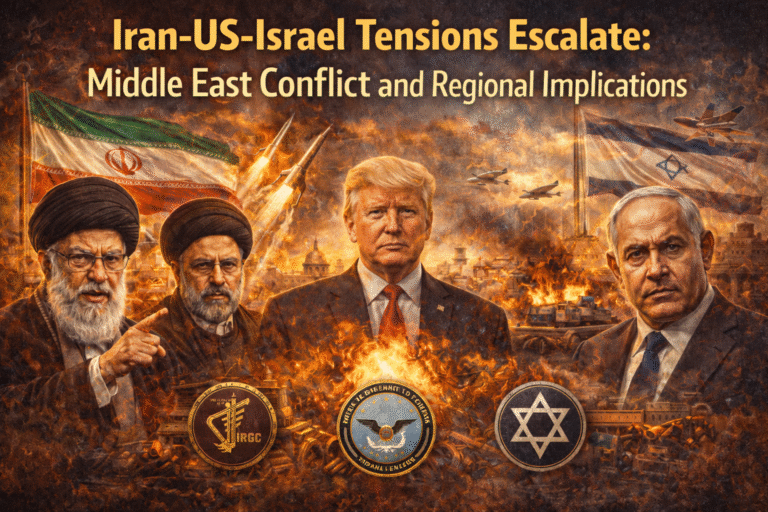
The world now watches as Trump assesses how to respond to Iran’s violent crackdown on protesters — a decision that could have profound implications for the Middle East and global security.
From economic tariffs to military planning, cyber strategy, diplomacy, and covert support, the spectrum of Trump Iran response options reflects both the complexity of the crisis and the gravity of potential consequences.
Ultimately, how the U.S. acts — or refrains from acting — will shape the geopolitical landscape for years to come.