










Havana Syndrome Energy Weapon Theory: Norwegian Experiment Raises Serious Security and Scientific Concerns
The Havana syndrome energy weapon theory has entered a new phase of global scrutiny following reports that a Norwegian scientist built a pulsed radiofrequency emitter and tested it on himself, experiencing neurological symptoms similar to those reported by U.S. diplomatic and intelligence personnel.
The development, first reported by The Washington Post, has triggered renewed reviews by intelligence agencies, defense departments, and scientific institutions worldwide, highlighting the growing intersection between neuroscience, electromagnetic technology, and national security.
According to the U.S. Department of State, more than 1,500 personnel have reported symptoms linked to Havana syndrome since 2016.
Official U.S. government health response information can be reviewed here:
Origins of the Havana Syndrome Energy Weapon Theory
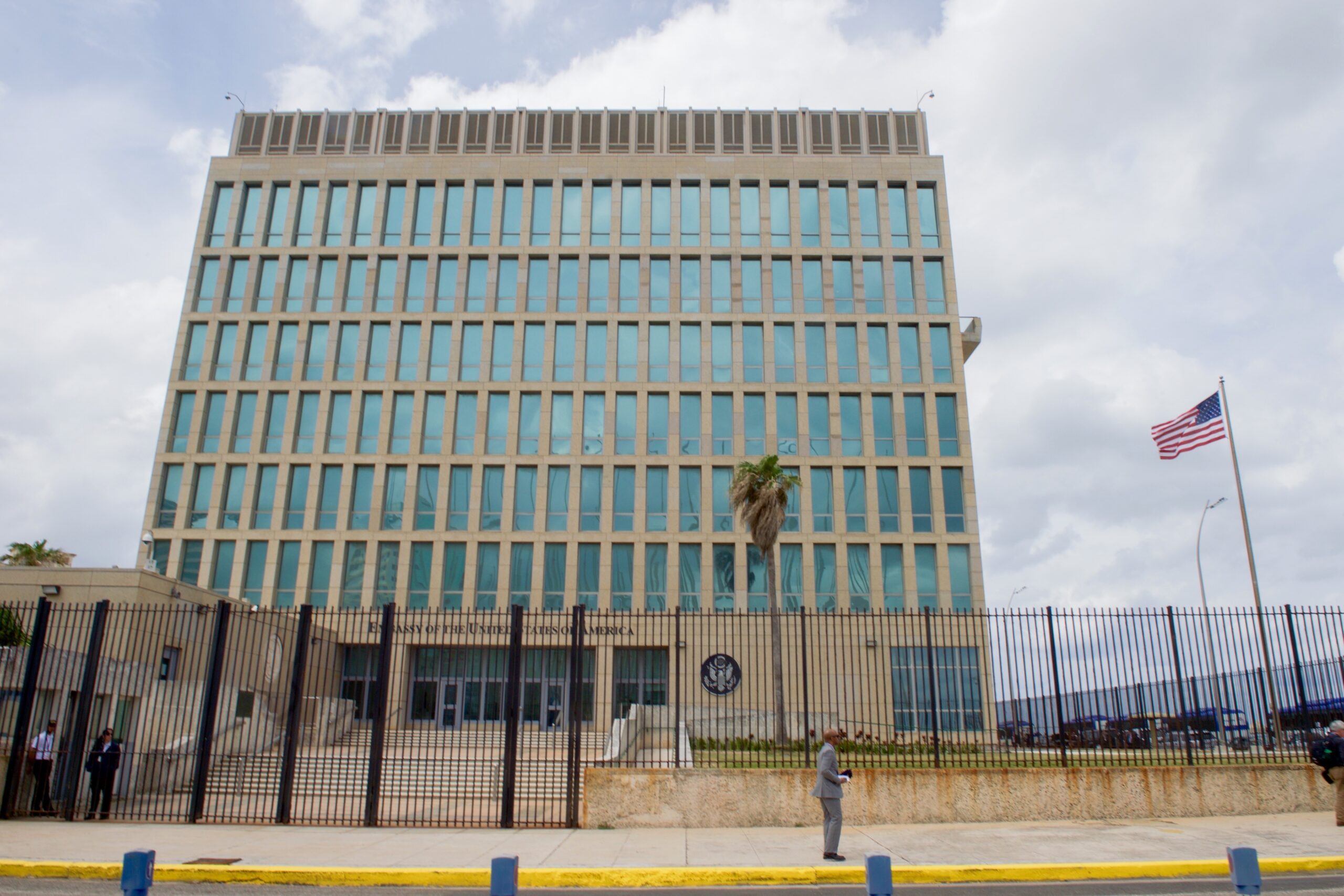
The Havana syndrome energy weapon theory emerged after U.S. embassy staff stationed in Havana, Cuba, reported unexplained neurological symptoms beginning in 2016.
These symptoms included:
- Sudden directional sound sensations
- Ear pressure and pain
- Vertigo and balance disruption
- Severe headaches
- Visual disturbances
- Cognitive impairment
According to the U.S. Centers for Disease Control and Prevention (CDC), neurological symptoms of this type require careful differential diagnosis due to multiple possible environmental and neurological causes.
CDC neurological disorder research reference:
The unusual clustering of cases among intelligence and diplomatic personnel led to concerns about potential targeted exposure rather than conventional illness.
Havana Syndrome Energy Weapon Theory: Scientific Evidence Supporting Radiofrequency Exposure Hypothesis
A major scientific review conducted by the National Academies of Sciences, Engineering, and Medicine in 2020 concluded that:
“Directed, pulsed radiofrequency energy appears to be the most plausible mechanism.”
Full report available here:
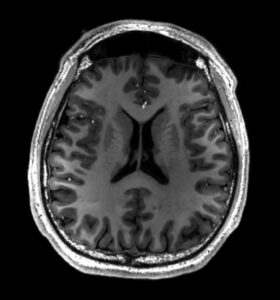

Radiofrequency energy can interact with biological tissue through electromagnetic field effects. Research published by the National Institutes of Health explains that electromagnetic radiation can affect neural activity under certain controlled conditions.
NIH electromagnetic exposure research:
However, translating laboratory electromagnetic effects into deployable directed systems capable of targeting individuals remains scientifically controversial.
Norwegian Scientist Experiment: A Turning Point in the Debate
The Norwegian experiment represents one of the most controversial developments in the Havana syndrome energy weapon theory.
According to intelligence and defense sources cited in investigative reporting:
- The scientist constructed a pulsed radiofrequency emitter
- The design reportedly incorporated sensitive technical knowledge
- The scientist exposed himself to the device
- He later experienced neurological symptoms
Although the symptoms did not fully replicate all known Havana syndrome cases, intelligence agencies reportedly considered the experiment significant enough to trigger high-level review.
This suggests that directed radiofrequency systems capable of affecting neurological function may be technically feasible under certain conditions.
Havana Syndrome Energy Weapon Theory: Intelligence Community Reassessment and National Security Implications

The U.S. intelligence community, including agencies such as the Central Intelligence Agency and the National Security Agency, has maintained cautious skepticism regarding the energy weapon theory.
Official intelligence summary available here:
Previously, intelligence agencies concluded there was no definitive evidence linking Havana syndrome to foreign weapon systems.
However, following recent developments:
- Some intelligence agencies now assess a moderate probability of foreign technological capability
- The Pentagon has reportedly acquired electromagnetic testing devices
- Defense research programs have increased focus on directed energy systems
U.S. Department of Defense directed energy overview:
Directed Energy Weapons: Scientific Reality or Strategic Myth?
Directed energy weapons (DEWs) are not purely theoretical.
According to research from the U.S. Congressional Research Service:
Directed energy systems include:
- High-energy lasers
- Microwave weapons
- Electromagnetic pulse systems
Congressional Research Service report:
Microwave-based directed energy systems have already been developed for:
- Drone disruption
- Electronic warfare
- Communications interference
However, using such technology to selectively target human neurological systems remains highly complex.
Major engineering challenges include:
- Power generation limitations
- Beam targeting precision
- Biological variability among humans
- Environmental interference
Neuroscience Perspective: Can Electromagnetic Energy Affect the Brain?
Neuroscience research confirms that electromagnetic fields can influence neural activity under specific laboratory conditions.
The World Health Organization provides scientific guidance on electromagnetic field exposure and neurological health:
However, large-scale real-world neurological disruption through covert electromagnetic targeting remains scientifically unproven.
Alternative explanations for Havana syndrome include:
- Functional neurological disorder
- Psychological stress responses
- Environmental toxins
- Preexisting neurological conditions
Scientific uncertainty continues to dominate the field.
Global Security Implications of Emerging Electromagnetic Technologies
If the Havana syndrome energy weapon theory were conclusively confirmed, the implications would be profound.
Potential consequences include:
Intelligence and Diplomacy Risks
Diplomatic personnel could become targets in covert technological conflict.
Military Strategy Transformation
Directed energy weapons could supplement traditional military systems.
International Law Challenges
Attribution and legal responsibility would become extremely difficult.
Defense Technology Acceleration
Governments may increase funding for electromagnetic defense research.
Directed energy technologies are already part of modern defense development strategies.
NATO emerging technology research:
Conclusion: The Havana Syndrome Energy Weapon Theory Remains Unresolved but Increasingly Relevant
Nearly a decade after the first cases emerged, the Havana syndrome energy weapon theory remains scientifically and politically unresolved.
However, the Norwegian experiment has introduced new evidence suggesting that pulsed radiofrequency exposure may have neurological consequences.
While intelligence agencies have not confirmed the existence of weaponized systems, the possibility can no longer be easily dismissed.
The convergence of neuroscience, electromagnetic physics, and geopolitical competition ensures that Havana syndrome will remain one of the most closely monitored security and scientific controversies of the modern era.