






Hezbollah, Palestinian Armed Groups, and Iran’s Revolutionary Influence: Understanding the Roots of Resistance in the Middle East
Shared Foundations of Resistance: Palestinian Groups, Shiite Movements, and Iran’s Revolutionary Influence
To understand why Palestinian armed groups, Lebanese Shiite resistance movements, and Iran’s revolutionary institutions sometimes cooperate or align strategically, it is necessary to examine their shared historical experiences, ideological frameworks, and psychological narratives.
Although these actors emerged in different societies and traditions, their convergence is rooted in a common perception of struggle, resistance, and political survival in a region shaped by conflict and power imbalance.
Historical Convergence of Struggles
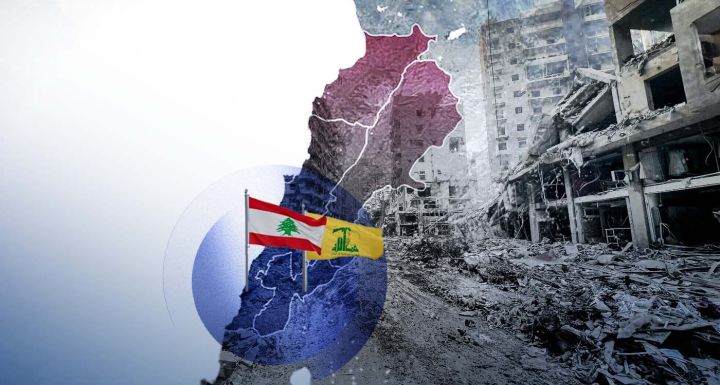
Hezbollah Historical Origins: The 1982 Lebanon War and the Convergence of Resistance Movements
The historical connection between these groups began to crystallize during the late twentieth century, particularly around the events that culminated in the 1982 Lebanon War.
Before that war, Palestinian armed organizations—most prominently the Palestine Liberation Organization (PLO)—had established bases in southern Lebanon after being expelled from Jordan in 1970 during the conflict known as Black September.
Southern Lebanon became a major operational zone for Palestinian fighters conducting attacks against Israel. When Israel invaded Lebanon in 1982, one of its primary objectives was to dismantle these Palestinian military networks.
However, the invasion also had unintended consequences.
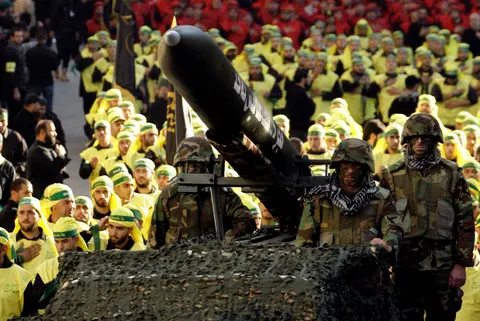
It helped catalyze the formation of a new Lebanese Shiite resistance movement—what later became Hezbollah—with support from Iran’s Islamic Revolutionary Guard Corps.
Although Palestinian factions and Lebanese Shiite groups came from different ideological backgrounds, the conflict created shared strategic incentives: both saw themselves confronting the same regional adversary and responding to similar security pressures.
The Philosophical Idea of “Resistance”
At the philosophical level, these movements often frame their struggle through the concept of resistance against domination.
This concept appears in multiple ideological traditions:
- anti-colonial political philosophy
- revolutionary nationalism
- religious resistance narratives
For Palestinian organizations, resistance is often framed as a national liberation struggle tied to Palestinian self-determination.
For Shiite resistance movements influenced by Iran’s revolutionary doctrine, resistance is framed as a religious and political duty to oppose oppression.
Despite the difference in ideological language, the philosophical core overlaps: the belief that political communities have the right—and sometimes the obligation—to resist what they perceive as unjust power structures.
Psychological Dimensions of Collective Struggle
Psychologically, movements formed under conditions of war, displacement, and occupation tend to develop similar collective identities.
Several factors reinforce these identities:
Shared Narratives of Victimhood
Communities involved in prolonged conflicts often construct narratives emphasizing historical suffering, injustice, and survival. These narratives help mobilize collective action and sustain long-term resistance.
Identity Formation Through Conflict
When groups perceive themselves as under threat, they often develop stronger internal cohesion. Resistance movements become symbols of dignity, protection, and cultural identity.
The Psychology of Asymmetric Warfare
Both Palestinian organizations and Shiite resistance movements developed strategies suited to conflicts against stronger conventional militaries.
These strategies emphasize:
- guerrilla warfare
- decentralized organization
- ideological commitment
The psychological commitment of members becomes a crucial force multiplier when material resources are limited.
Iran’s Revolutionary Ideology and Strategic Influence
The role of Iran became especially significant after the Iranian Revolution.
The revolution introduced a powerful ideological framework that combined religious authority with anti-imperialist rhetoric. Iran’s leadership promoted the idea that oppressed communities across the region should resist domination and external control.
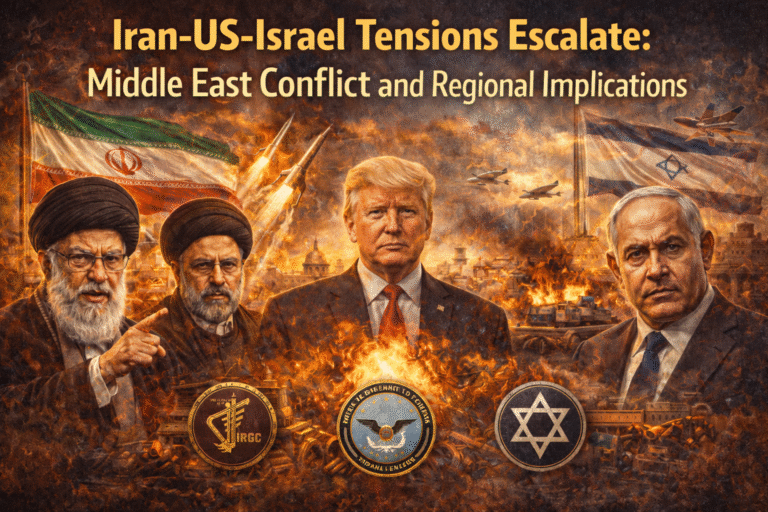
Through the Islamic Revolutionary Guard Corps, Iran provided training, funding, and organizational guidance to allied movements.
From Iran’s perspective, supporting such groups serves several purposes:
- Expanding regional influence
- Building alliances among sympathetic movements
- Creating deterrence against adversaries
For local movements, cooperation with Iran provided access to resources, training, and international networks that strengthened their ability to operate.
Strategic Alignment Without Complete Unity
Despite these overlaps, it is important to note that these groups are not identical in ideology or objectives.
For example:
- Palestinian movements are primarily focused on Palestinian national aspirations.
- Lebanese Shiite movements operate within the context of Lebanese politics and society.
- Iran’s revolutionary institutions pursue broader regional strategic goals.
Their cooperation is therefore often strategic rather than ideological unity.
They may collaborate when interests align but diverge when political circumstances change.
The Role of Regional Power Dynamics
Another factor that brings these groups into alignment is the broader geopolitical environment of the Middle East.
The region has long been shaped by rivalries among:
- regional powers
- global powers
- local movements
In such an environment, alliances often form around shared adversaries or strategic opportunities rather than purely ideological agreement.
This dynamic helps explain why diverse groups sometimes coordinate despite differences in doctrine or long-term goals.
A Common Thread: Survival and Influence
At the deepest level, the shared objective connecting many of these actors is the pursuit of security, influence, and political survival.
Each movement seeks to protect its community, maintain political relevance, and shape the regional balance of power in ways that favor its interests.
History shows that movements operating in conflict zones rarely exist in isolation. Instead, they form networks of cooperation and rivalry, constantly adjusting to shifting political realities.
Conclusion
The connections between Palestinian armed groups, Lebanese Shiite resistance movements, and Iran’s revolutionary institutions are not accidental. They emerged from a combination of historical events, ideological frameworks, and psychological dynamics shaped by decades of conflict in the Middle East.
While their goals and identities remain distinct, they intersect around several shared themes:
- resistance against perceived external domination
- survival in asymmetric conflicts
- the search for political leverage in a volatile region
Understanding these connections requires examining not only military alliances but also the deeper historical memories, philosophical ideas, and psychological forces that shape movements born in environments of prolonged conflict.