





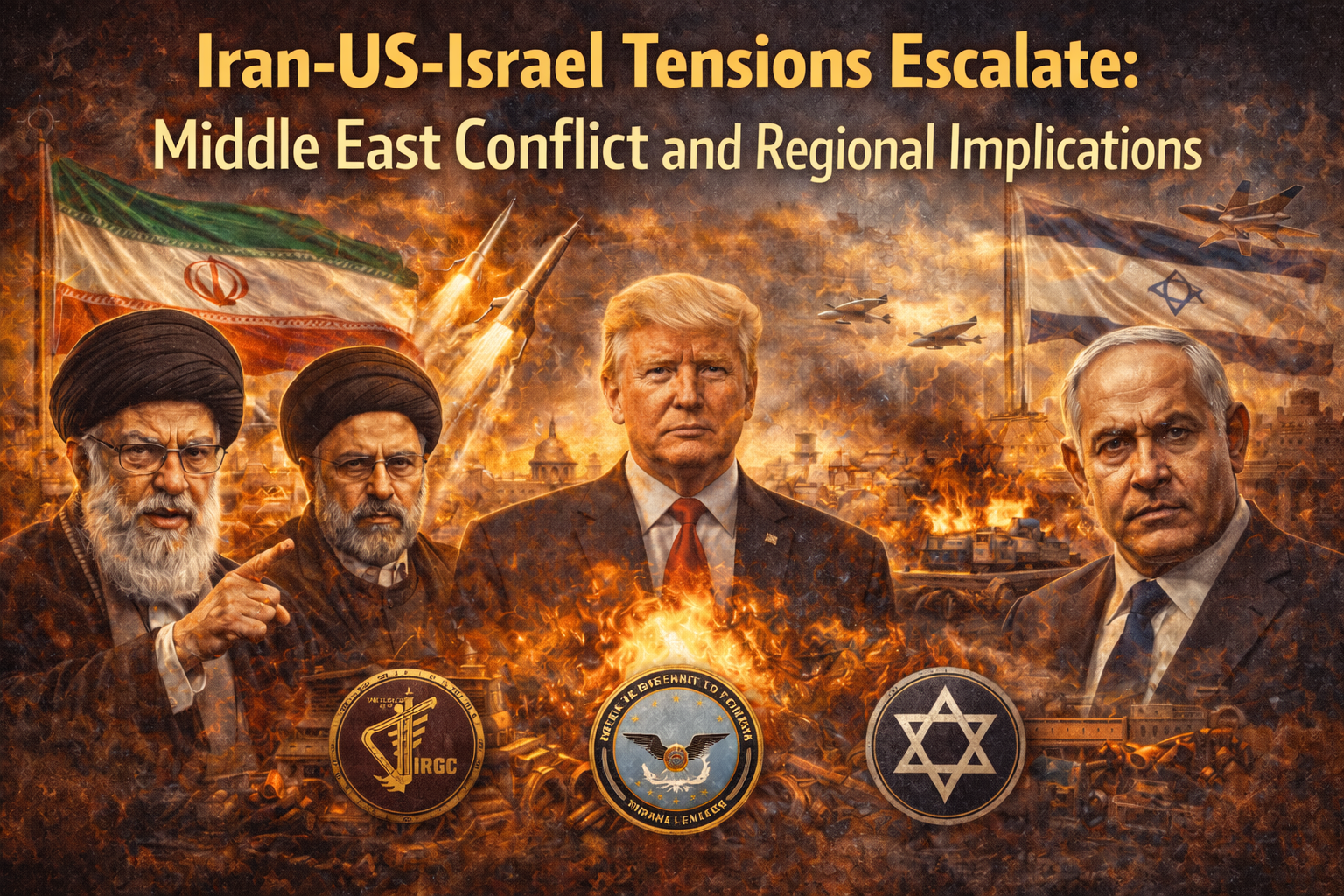
Escalation in the Middle East: Iran Strikes, US Operations, and Regional Tensions
Understanding the Crisis: Iran, the Gulf, and US Military Responses
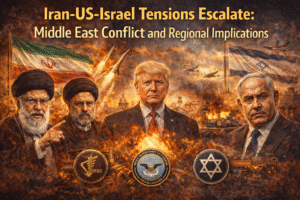
The Middle East is once again at the center of global attention as reports of Iranian strikes on energy facilities in Qatar and Saudi Arabia coincide with heightened US military operations, including a complex aerial campaign dubbed Operation Epic Fury. These developments have created a volatile security landscape, prompting governments across the region to issue safety advisories, reinforce military defenses, and warn citizens of the escalating risks.
The United States embassy in Iraq has advised American citizens to “shelter in place until further notice,” warning of missile, drone, and rocket activity across Iraqi airspace. Citizens are urged to maintain a low profile, avoid crowds, and not attempt to reach embassy locations in Baghdad or Erbil. Embassy staff have been ordered to follow the same protocol, underscoring the severity of the unfolding events.
This conflict follows years of tension surrounding Iran’s nuclear ambitions, its regional proxy activities, and repeated confrontations with both the United States and Israel. The recent escalation demonstrates how quickly regional flare-ups can spiral into multi-national security crises, affecting energy markets, international diplomacy, and civilian safety.
The US Military Response: Operation Epic Fury and Its Implications
US military leadership has confirmed that Operation Epic Fury, launched in the early hours of Saturday, is an ongoing and multi-faceted campaign involving the Navy, Air Force, Space Force, Marine Corps, Coast Guard, and cooperation with the Israeli military. According to Chairman of the Joint Chiefs of Staff, Dan Caine, the operation is not a single-night mission, but a sustained effort to neutralize Iran’s military capabilities, particularly its missile infrastructure and strategic assets.
Caine expressed condolences for the US personnel lost so far and warned that further casualties are expected, reflecting the inherent risks of operations in highly contested airspace. This strategic operation has been described as both lethal and precise, aiming to strike at high-value targets while avoiding unnecessary escalation.
US Defense Secretary Pete Hegseth emphasized that the operation is designed to “finish” what previous administrations allegedly failed to achieve, stressing that it is not a regime-change war but a campaign to prevent Iran from acquiring nuclear weapons and advanced missile capabilities. Hegseth’s statements reflect a policy of deterrence and calculated escalation, attempting to balance military effectiveness with diplomatic caution.
Regional Reactions and the Role of Hezbollah
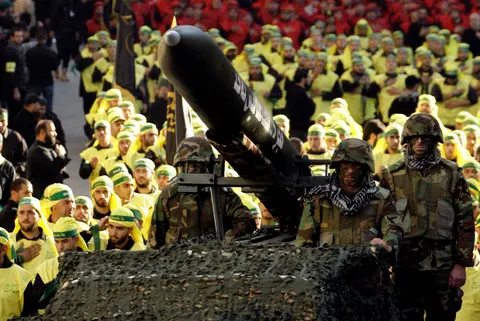
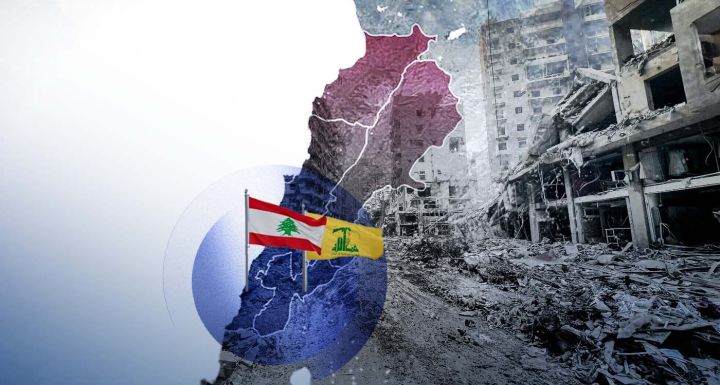
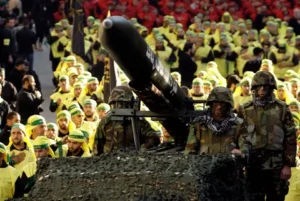
The escalation has rapidly spread across the region, drawing in non-state actors such as Hezbollah. The militant group, closely allied with Iran, has launched rockets and drones into northern Israel in retaliation for targeted strikes against its leadership. In southern Lebanon, the Israel Defense Forces (IDF) have responded with precise airstrikes against key Hezbollah infrastructure, resulting in significant casualties.
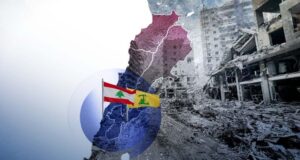
The Lebanese government has officially banned Hezbollah’s armed activities, framing the group’s independent military actions as a violation of state sovereignty. This move reflects the delicate balance Lebanese authorities must maintain between domestic stability and regional pressures, as Hezbollah remains a powerful political and military force within the country.
The ongoing Israeli-Hezbollah exchanges highlight a critical challenge in Middle Eastern conflict dynamics: non-state actors can act as extensions of state policy (in this case, Iran) while creating unpredictable escalatory risks. Analysts suggest that renewed hostilities could reopen old wounds from previous conflicts, leaving civilians particularly vulnerable.
Civilian Impact: Displacement, Fear, and Infrastructure Strain
As airstrikes and missile attacks intensify, civilians across Lebanon, Iran, Israel, and the Gulf face significant disruption. Residents in southern Beirut describe frantic evacuations amid the sound of drones and bombardments. Hospitals are overwhelmed, basic services disrupted, and essential goods increasingly difficult to access.
In Iran, street-level reporting indicates a heavy security presence in cities such as Tehran and Karaj, compounded by internet outages lasting more than 48 hours. Prices have risen sharply, and citizens are navigating both uncertainty and fear. Celebratory gatherings in response to Ayatollah Ali Khamenei’s death contrast with mourning groups, highlighting the complex socio-political fabric of Iranian society under strain.
Meanwhile, Gulf states have reinforced critical infrastructure, including oil and gas facilities. Saudi Arabia reported a limited fire at the Ras Tanura refinery, quickly brought under control after drone interception. Qatar temporarily halted liquefied natural gas (LNG) production at key sites, underscoring how energy markets are immediately affected by regional instability.
Energy Market Shockwaves
Global energy markets have reacted sharply to the escalating conflict. Gas prices surged by over 40% in the UK and similarly across Europe and Asia, reflecting both concerns about supply interruptions and geopolitical risk premiums. Qatar, a major LNG exporter, plays a pivotal role in stabilizing global energy flows, particularly through the Strait of Hormuz, one of the world’s most strategically critical maritime passages.
Analysts warn that prolonged instability could affect winter stockpiles in Europe and increase competition for energy shipments globally. This economic dimension underscores the interconnectedness of regional security events and global markets, highlighting the strategic leverage of energy infrastructure in international diplomacy.
The Role of US Allies and International Coordination
The US has coordinated with Gulf states including Kuwait, Saudi Arabia, Bahrain, Qatar, the UAE, and Jordan to address what has been labeled a “dangerous escalation” by Iran. Joint statements emphasize the right to self-defense and denounce targeting civilians or non-combatant states.
Meanwhile, the UK Foreign Office has mobilized to assist its citizens in the Gulf, with over 100,000 registered for direct updates on travel and safety. Airspace closures and logistical constraints present significant challenges for safe repatriation, highlighting the broader humanitarian and diplomatic consequences of the conflict.
Military Technical Overview: Fighter Jets, Drones, and Precision Strikes
The conflict has seen the use of advanced aerial technology, including F-15E Strike Eagles, Shahed drones, and Hermes 450 reconnaissance UAVs. A notable incident in Kuwait involved the downing of three US jets, apparently due to friendly fire. While all crew members survived, the event underscores the complexity of conducting high-intensity operations in multi-layered airspaces, where hostile and friendly forces may be operating simultaneously.
Israeli drones have been extensively deployed over Beirut to monitor Hezbollah positions, while missile defense systems in Gulf countries intercept Iranian attacks, demonstrating the technological sophistication and risks of modern asymmetric warfare.
Political and Strategic Analysis
The current escalation provides several key insights into regional and global security dynamics:
- Proxy Warfare and Regional Influence: Iran continues to leverage non-state actors, like Hezbollah, to project power beyond its borders.
- Strategic Deterrence: The US and Israel are demonstrating both military capability and willingness to act decisively against perceived nuclear and missile threats.
- Civil-Military Nexus: Civilian populations in multiple countries face immediate danger, highlighting the human cost of strategic objectives.
- Energy Security as a Weapon: Attacks on energy infrastructure reveal the geopolitical dimension of critical resources, impacting global markets and domestic economies.
- Diplomatic Challenges: Gulf states, Europe, and international institutions like the UN and IAEA are pressured to respond, mediate, and prevent further escalation.
These factors suggest a high-stakes regional confrontation, where miscalculations could lead to broader conflict or prolonged instability.
Historical Context: Lessons from Past Conflicts
The Middle East has witnessed recurring cycles of conflict between Iran, Israel, and non-state actors like Hezbollah. Key historical episodes, including the 2006 Israel-Hezbollah war and the 2023-24 Gaza conflict, provide valuable context for interpreting current events. Lessons from these conflicts include:
- Civilian protection must be prioritized to prevent mass displacement and humanitarian crises.
- Proxy groups can escalate conflicts unpredictably, complicating state-level strategic planning.
- Energy infrastructure is both a strategic target and an economic lever, affecting global markets.
Understanding these patterns helps predict potential outcomes, the necessity of international coordination, and the urgency of diplomatic interventions.
Potential Scenarios and Regional Implications
Analysts identify several possible trajectories for the unfolding crisis:
- Short-Term Containment: Military operations achieve limited objectives, with Iran and its proxies recalibrating without further escalation.
- Extended Regional Conflict: Ongoing hostilities could draw in Lebanon, Syria, and Gulf states, increasing civilian casualties and economic disruption.
- Diplomatic Resolution: High-level negotiations could stabilize the situation, possibly mediated by international organizations or neutral states.
- Energy Shock and Economic Spillover: Prolonged instability could cause sustained global energy price increases, affecting Europe, Asia, and emerging markets.
The risk of escalation remains high, emphasizing the importance of measured military action, regional coordination, and effective crisis communication.
Psychological and Social Impact
The ongoing operations have significant psychological implications for populations in affected regions. Civilians face:
- Fear and uncertainty, as news cycles report missile strikes, drone sightings, and air raids.
- Displacement and logistical challenges, with evacuations disrupting livelihoods and access to basic needs.
- Social and political polarization, as reactions to government, military, and non-state actors vary widely among communities.
These factors contribute to a broader humanitarian challenge, which could influence regional stability long after military operations conclude.
Conclusion: A Pivotal Moment in Middle Eastern Security
The unfolding crisis in the Middle East represents a defining moment for regional and international security policy. Iranian strikes on Gulf energy facilities, combined with the US-led Operation Epic Fury and Israeli countermeasures, illustrate the intricate web of military, political, and economic forces shaping the region.
Civilians, governments, and international organizations are grappling with immediate security risks, energy supply disruptions, and complex geopolitical consequences. While military actions are ongoing, the long-term resolution will likely hinge on diplomatic engagement, strategic deterrence, and regional cooperation.
The coming days and weeks will be critical in determining whether the current escalation is contained, spirals into wider conflict, or prompts a recalibration of security and diplomatic norms in the Middle East.
“For more analysis on US military strategies and past Middle East conflicts, see our detailed Middle East Security Insights report.”