







Philippines Landfill Collapse and the Hidden Dangers of Urban Waste
The tragic Philippines landfill collapse in Cebu City, which killed a young sanitation worker and left dozens missing, has drawn renewed attention to a danger that often remains invisible until disaster strikes: unsafe waste management practices in rapidly growing cities. What appeared to be a sudden landslide of rubbish was, according to local officials, likely the result of long-standing structural neglect rather than an unforeseeable accident.
This Philippines landfill collapse is not merely a local tragedy. It raises urgent questions about urban planning, labor safety, environmental governance, and the human cost of treating waste disposal as an afterthought in developing economies.
Philippines Landfill Collapse and What Happened in Cebu
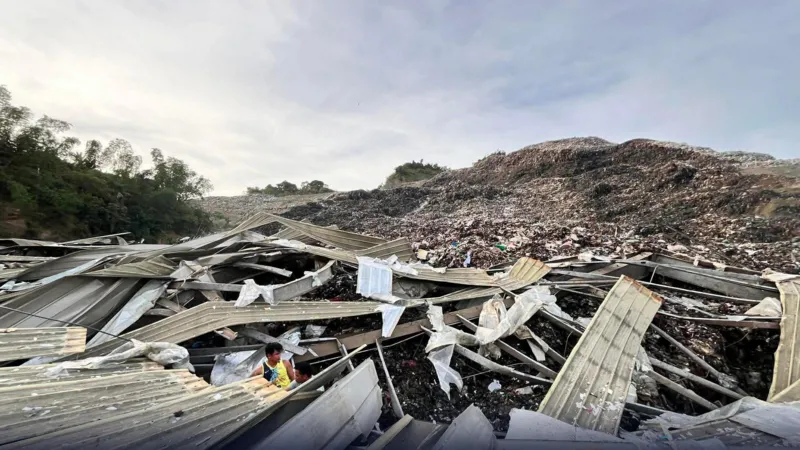
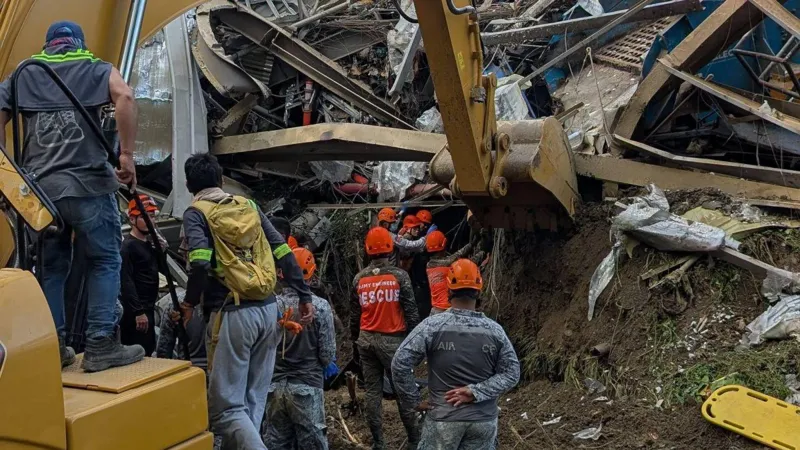
According to local authorities, a massive pile of garbage collapsed at the Binaliw landfill in Cebu City, burying workers beneath tons of waste. Rescue teams managed to pull several injured sanitation workers from the debris, but more than 30 people were reported missing in the immediate aftermath.
Officials warned that rescue operations were extremely dangerous due to the unstable nature of the landfill. Unlike natural landslides, garbage heaps contain mixed materials—soil, plastic, organic waste, metal—that shift unpredictably when disturbed. This makes the Philippines landfill collapse especially hazardous for both victims and rescuers.
Philippines Landfill Collapse and the Role of Poor Waste Management
Local officials and environmental advocates were quick to point to mismanagement as a central cause of the Philippines landfill collapse. Cebu City councillor Joel Garganera described the site not as a sanitary landfill but as an open dumpsite, where operators had been cutting into waste piles and stacking new garbage on top.
Sanitary landfills are designed with engineered layers, drainage systems, and compaction standards to prevent collapses. When these standards are ignored, waste piles behave like unstable mountains. The Philippines landfill collapse highlights how deviation from basic waste management principles can quickly become fatal.
Philippines Landfill Collapse and Labor Safety Concerns
Many of those missing after the Philippines landfill collapse are believed to be landfill workers—people who already operate on the margins of formal labor protections. Sanitation workers in many parts of the Philippines face low wages, minimal safety equipment, and limited regulatory oversight.
This raises a troubling ethical question: are the lives of waste workers being systematically undervalued? When economic pressures override safety standards, disasters like the Philippines landfill collapse become not anomalies, but inevitabilities.
Philippines Landfill Collapse and Urban Growth Pressures
Cebu City is a major commercial and transportation hub in the central Philippines. Rapid urbanization has significantly increased waste generation, placing enormous strain on existing landfill infrastructure. As cities expand faster than regulatory systems, waste sites often become overloaded.
The Philippines landfill collapse reflects a broader urban challenge: waste management systems have not kept pace with population growth and consumption patterns. Without long-term planning, cities risk turning essential infrastructure into ticking time bombs.
Philippines Landfill Collapse and Environmental Governance Failures
Environmental regulation exists on paper in the Philippines, but enforcement often lags behind. The Philippines landfill collapse underscores the gap between policy and practice. Inspections, compliance monitoring, and accountability mechanisms appear to have failed long before the disaster occurred.
Globally, organizations such as the World Health Organization have long warned that improper waste management poses serious health and safety risks to urban populations and workers alike (see WHO guidance on solid waste and public health).
When oversight is weak, private operators may prioritize short-term cost savings over long-term safety—until collapse forces attention.
Philippines Landfill Collapse and the Human Toll Beyond Statistics
Behind the numbers associated with the Philippines landfill collapse are families waiting anxiously for news. Relatives gathered at the site, hoping to hear voices from beneath the debris. Some survivors reported hearing cries for help, fueling hope even as conditions grew more dangerous.
This human dimension is often lost in policy discussions. Waste disasters do not just expose environmental failures; they shatter communities, leaving emotional scars that persist long after the headlines fade.
Philippines Landfill Collapse and Climate-Related Risk Factors
Although the immediate cause of the Philippines landfill collapse remains under investigation, climate factors cannot be ignored. Heavy rainfall, common in the Philippines, can saturate waste piles, increasing their weight and instability.
As climate change intensifies extreme weather events, poorly managed landfills become even more dangerous. The Philippines landfill collapse may foreshadow future disasters if climate resilience is not integrated into waste infrastructure planning.
Philippines Landfill Collapse and the Economics of Neglect
Waste management is often underfunded because it is politically unattractive. Voters rarely reward leaders for investing in garbage systems—until disaster strikes. The Philippines landfill collapse reveals the long-term cost of this neglect.
Emergency response, loss of life, legal liability, and environmental cleanup are far more expensive than preventive regulation. Yet cities repeatedly choose reaction over prevention, perpetuating cycles of crisis.
Philippines Landfill Collapse and Accountability Questions
A critical issue following the Philippines landfill collapse is accountability. Who approved the landfill’s operating methods? Were inspections conducted? Were warnings ignored?
Without transparent investigations and consequences, similar tragedies are likely to recur. Accountability is not about blame alone—it is about deterrence and reform.
Philippines Landfill Collapse and Global Parallels
The Philippines landfill collapse is not unique. Similar disasters have occurred in other countries where informal dumping, rapid urbanization, and weak regulation intersect. These incidents point to a global waste crisis that disproportionately affects the poor and marginalized.
In this sense, Cebu’s tragedy is a warning to cities worldwide: unmanaged waste is not just an environmental issue—it is a public safety emergency.
Philippines Landfill Collapse and the Path Forward
Preventing another Philippines landfill collapse requires systemic change. This includes:
- Enforcing sanitary landfill standards
- Protecting waste workers with safety equipment and training
- Investing in waste reduction and recycling
- Strengthening environmental oversight
- Planning landfill capacity in line with urban growth
These measures demand political will, public pressure, and sustained investment.
Conclusion: What the Philippines Landfill Collapse Forces Us to Confront
The Philippines landfill collapse forces a difficult reckoning with how societies value invisible labor and inconvenient infrastructure. Garbage may be out of sight, but it should never be out of mind.
If this disaster leads only to temporary outrage, more lives will be lost elsewhere. If it leads to reform, accountability, and investment, it may yet serve as a turning point.
The unresolved question remains:
How many more lives must be buried under waste before safe waste management becomes a global priority rather than an afterthought?