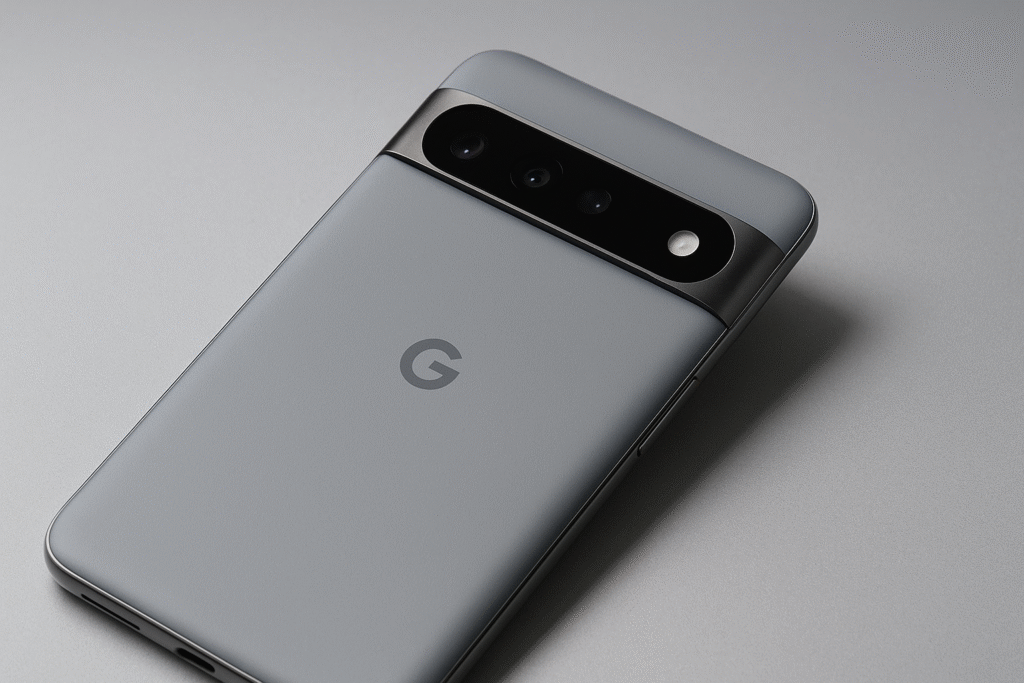











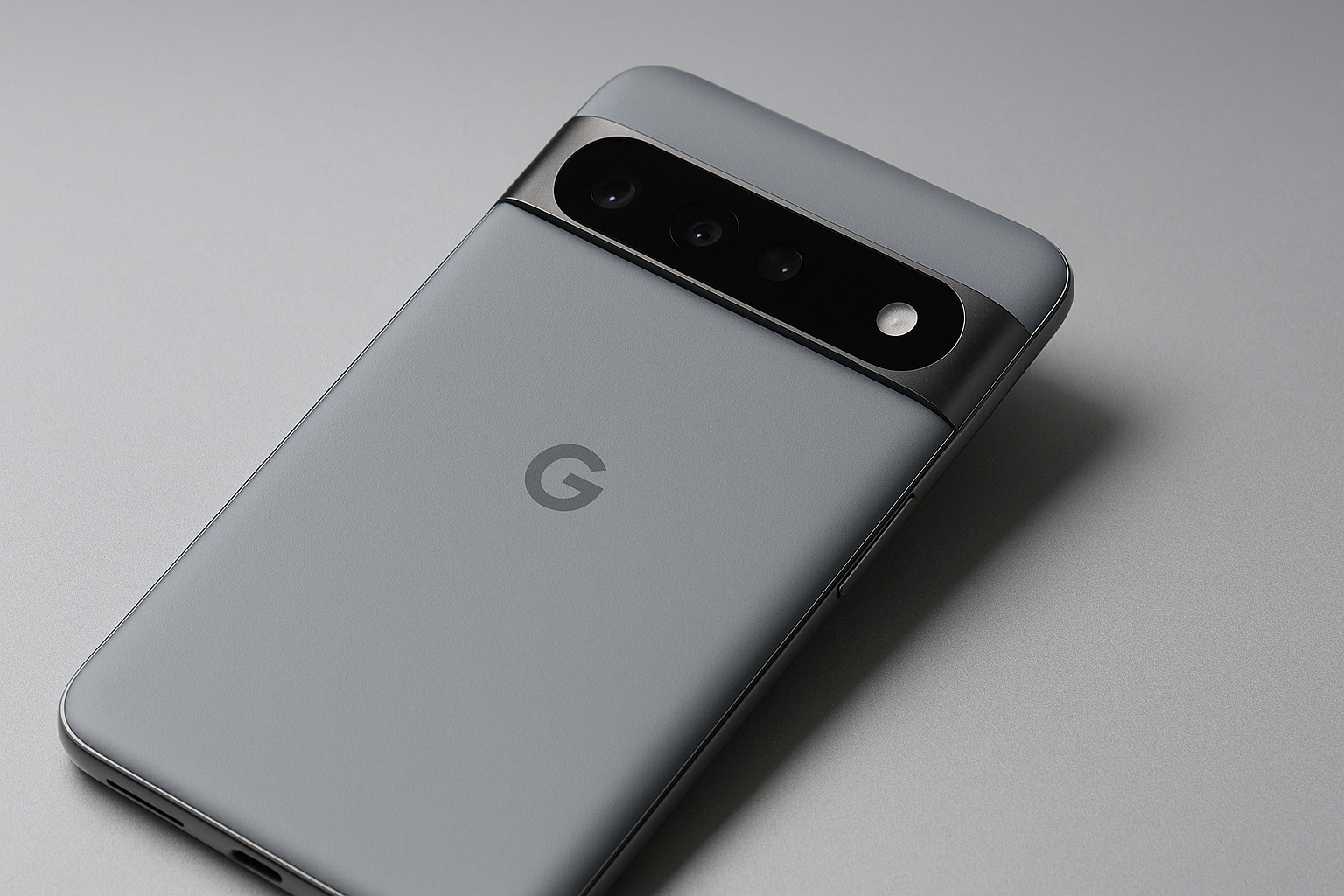
The Pixel 10 Pro is here, and once again Google is using its flagship device to show the world what Android — powered by its own apps and technologies — can really do. This year, the spotlight is firmly on AI integration, with Google pushing the idea that your phone should be a daily assistant, creative tool, and productivity hub all in one.
Unlike previous years, hardware changes are subtle. The standout upgrades include a brighter display, more RAM, and a new pro-level camera system. Google has also introduced Pixelsnap, its take on MagSafe with Qi2 charging, enabling magnetic accessories like stands and chargers.
But the true focus of the Pixel 10 Pro lies in AI-driven features. Backed by the new Tensor G5 chip (built by TSMC instead of Samsung), the phone now runs the Gemini Nano model for faster and smarter AI performance.
AI Features That Stand Out
- Magic Cue: Surfaces relevant information across apps, such as restaurant recommendations or flight details, based on the context of your conversations.
- Daily Hub: A personalized summary of your day, though currently limited to U.S. users.
- Live Call Translation: Real-time translation during phone calls, preserving your own voice tone — though language support is still limited.
- Gemini Live: Identifies objects in video and offers contextual suggestions, though accuracy varies.
- Camera Coach: A teaching tool that helps users frame better photos and experiment with new styles.
- Super Res Zoom (100x): AI-powered zoom that sharpens details at extreme magnification.
On the camera front, Google continues to mix solid hardware with advanced software. Features like Best Take for group photos and action pan for moving shots bring more creative control to casual users.
The AI Promise
Google isn’t just selling a phone; it’s selling the vision of an AI-first lifestyle. The Pixel 10 Pro comes with a year of free access to Google’s premium AI services, highlighting the company’s belief that AI is the future of mobile technology. Whether all these features will deliver consistently across regions and languages is another question — and one that only long-term use will answer.
Should You Upgrade?
If you’re already a Pixel user with a phone more than two years old, or if you’re an iPhone user curious about Google’s AI-heavy approach, the Pixel 10 Pro is worth a look. While hardware improvements are incremental, the AI-centered experience is the true differentiator.
And this brings us to a bigger conversation: technology, research, and innovation are converging at a rapid pace. Just as Google uses AI to redefine smartphones, researchers and academics are exploring how AI can transform scientific publishing, healthcare, and education.
At Mogito Open Access Journals, we believe in giving researchers the same kind of empowerment — tools, visibility, and accessibility to push knowledge forward. That’s why our newly launched journals are offering the first 10 accepted articles in each publication free of charge. Just like Google wants AI in every Pixel owner’s hand, we want high-quality research to reach every corner of the world without barriers.