






AIntroduction: A New Chapter in Middle East Tensions
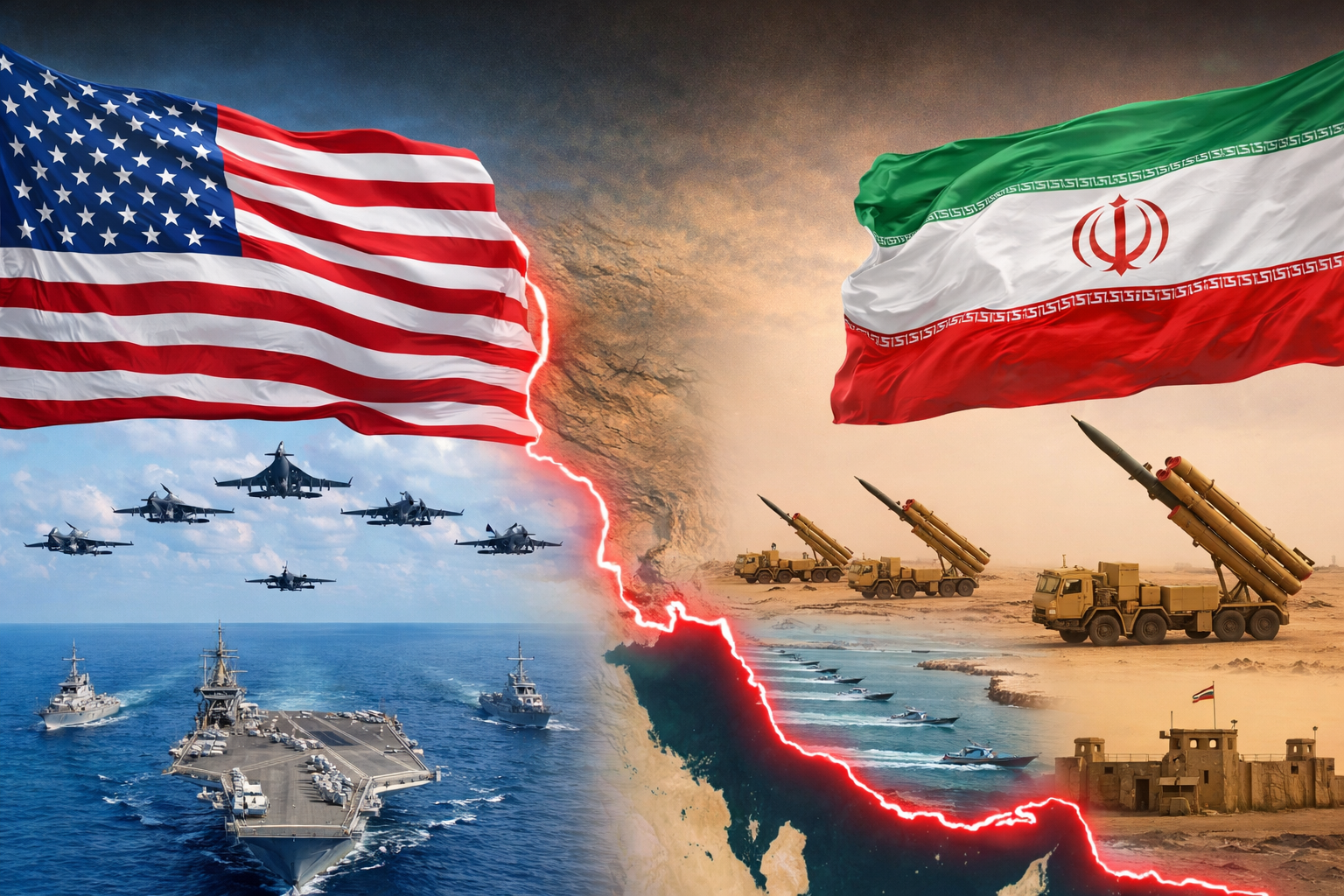
The latest Iran–US Conflict Escalation has intensified concerns about the future of security in the Middle East, raising questions about diplomacy, military strategy, energy markets, and the possibility of a wider regional confrontation. What began as a series of disputes between Washington and Tehran has developed into a crisis involving strategic interests, regional alliances, and competing visions of security.
The Middle East has historically been a region where local conflicts can quickly develop international consequences. With major energy routes, military installations, and geopolitical rivalries concentrated in the Gulf, any direct confrontation between Iran and the United States carries implications far beyond the two countries involved.
While supporters of military action argue that deterrence is necessary to prevent further threats, critics warn that escalation could create instability that becomes difficult to control. This debate has once again placed the question of military power versus diplomacy at the center of international discussions.
Iran–US Conflict Escalation and the Growing Risk of Regional Instability
The latest Iran–US Conflict Escalation reflects years of unresolved tensions between Washington and Tehran. The two countries have disagreed over nuclear policy, regional influence, sanctions, military presence, and security alliances.
The Gulf region remains particularly sensitive because it contains some of the world’s most important energy infrastructure and shipping routes. Any disruption in this area can affect international markets, transportation costs, and global economic confidence.
Countries surrounding the Gulf face difficult choices during periods of heightened tension. Nations such as Qatar, Bahrain, Kuwait, and other regional partners maintain relationships with both Western powers and neighboring countries. As tensions rise, these governments must balance security cooperation with concerns about becoming targets in a larger confrontation.
The Strategic Importance of the Gulf Region
One reason the Iran–US confrontation receives global attention is the strategic importance of the Gulf.
The region plays a central role in global energy supplies, with millions of barrels of oil transported through critical maritime routes every day. Any prolonged military crisis could influence energy prices and create economic pressure worldwide.
Beyond energy, the Gulf is also important because of its military significance. The United States maintains partnerships and military facilities in the region, while Iran has developed its own network of regional influence.
This creates a complex security environment where a confrontation between two major actors can involve multiple countries and non-state groups.
According to information from the International Atomic Energy Agency, nuclear-related tensions remain one of the major factors influencing international concerns about Iran’s activities and relations with Western countries.
The Debate: Is Military Action Creating Security or More Danger?
One of the biggest debates surrounding the Iran–US Conflict Escalation is whether military action can achieve long-term stability.
Supporters of a stronger military response argue that pressure is necessary to prevent threats against American interests and regional allies. They believe that demonstrating military strength can discourage further attacks and force opponents back to negotiations.
However, critics argue that military escalation often produces unintended consequences. They point to previous conflicts in the Middle East where military interventions created prolonged instability, humanitarian challenges, and new security threats.
The central question remains:
Does military strength prevent conflict, or does it increase the possibility of a wider war?
There is no simple answer. Military power can influence negotiations, but excessive escalation can reduce diplomatic opportunities and increase the risk of miscalculation.
Economic Consequences of the Iran–US Conflict Escalation
The economic impact of rising tensions extends beyond the Middle East.
Financial markets often react quickly to geopolitical uncertainty. Investors typically become cautious when major energy-producing regions face instability. Higher oil prices can influence transportation costs, inflation, and consumer spending across the world.
Developing economies may experience additional pressure because higher energy costs can increase the price of goods and services.
For businesses, uncertainty can delay investment decisions, particularly in industries dependent on international supply chains.
The economic consequences demonstrate that regional conflicts are no longer isolated events. In a connected global economy, security issues in one region can influence households and industries thousands of miles away.
The Role of Diplomacy in Preventing a Wider Crisis
Although military responses dominate headlines, diplomacy remains an essential tool for reducing tensions.
Previous negotiations between Iran and Western countries have shown that dialogue is possible, even during periods of serious disagreement. Diplomatic channels allow governments to communicate concerns, establish limits, and prevent misunderstandings from becoming larger conflicts.
International organizations and neutral countries often play important roles in encouraging communication between opposing sides.
The challenge is rebuilding trust. Years of sanctions, political disagreements, and military incidents have created deep suspicion between Iran and the United States.
However, history shows that even hostile relationships can sometimes move toward negotiation when both sides recognize the costs of continued confrontation.
How Regional Powers Could Shape the Future
The future direction of the crisis will not depend only on Washington and Tehran.
Regional powers have significant influence over whether tensions increase or decrease. Countries in the Middle East must consider their own security interests while avoiding actions that could intensify conflict.
Some governments may push for stronger alliances with global powers, while others may prioritize diplomatic neutrality.
The decisions made by regional actors could determine whether the current situation remains limited or develops into a broader international crisis.
What the Iran–US Conflict Escalation Means for Global Politics
The current crisis highlights a larger issue in international relations: how global powers manage competition in strategically important regions.
The United States seeks to protect its interests and alliances, while Iran seeks to expand its regional influence and resist external pressure.
These competing objectives create a difficult environment where compromise becomes challenging.
For the international community, the priority remains preventing a conflict that could affect global security, energy markets, and humanitarian conditions.
Organizations such as the United Nations continue to emphasize diplomatic solutions and international cooperation as essential tools for managing global conflicts.
Conclusion: A Moment That Requires Strategic Thinking
The Iran–US Conflict Escalation represents more than a disagreement between two nations. It reflects decades of geopolitical competition, security concerns, and competing regional ambitions.
The coming period will test the ability of governments to balance strength with restraint. While military capabilities influence international politics, lasting security usually requires negotiation, communication, and cooperation.
The key debate remains unresolved: should countries respond to threats through greater military pressure, or should diplomacy become the primary path toward stability?
As events continue to develop, the decisions made by political leaders will shape not only the future of the Middle East but also the broader global security landscape.
Frequently Asked Questions (FAQ)
What is causing the Iran–US Conflict Escalation?
The escalation is linked to long-standing disagreements involving security issues, regional influence, military activities, sanctions, and diplomatic disputes between Iran and the United States.
Why is the Gulf region important in this conflict?
The Gulf is strategically important because of its energy resources, shipping routes, and concentration of military partnerships.
Could the conflict affect the global economy?
Yes. A prolonged crisis could influence energy prices, international trade, investment decisions, and inflation.
Can diplomacy reduce tensions between Iran and the United States?
Diplomacy remains one possible path for reducing tensions, although rebuilding trust between both sides remains a major challenge.