








Middle East Security in 2026: The Middle East has long occupied a central place in international politics. From its strategic geography and abundant energy resources to its complex political alliances and longstanding rivalries, developments in the region often have consequences that extend far beyond its borders. In 2026, regional security continues to evolve under the influence of military modernization, diplomatic initiatives, economic pressures, technological competition, and shifting global alliances.
Recent periods of heightened tension have demonstrated how quickly diplomatic disagreements can escalate into broader security concerns. They have also highlighted the interconnected nature of modern geopolitics, where military deterrence, cyber capabilities, economic sanctions, maritime security, and energy markets all influence one another.
The most important question facing policymakers today is no longer simply how to prevent conflict. Instead, it is whether sustainable regional stability can be achieved through a balanced combination of diplomacy, credible deterrence, economic cooperation, and international engagement.
This debate is likely to shape the future of Middle East Security in 2026 and beyond.
Middle East Security in 2026: A Region Under Strategic Transformation
The security environment across the Middle East has changed significantly over the past two decades.
Traditional interstate rivalries remain important, but governments must also address emerging challenges such as cyber threats, drone technology, maritime security, economic resilience, food security, and climate-related pressures.
Regional governments have invested heavily in modern defense systems while simultaneously pursuing diplomatic engagement through bilateral and multilateral negotiations.
This combination of military preparedness and diplomatic outreach reflects a broader recognition that security cannot rely exclusively on either force or dialogue.
Instead, many policymakers increasingly view security as a multidimensional concept requiring cooperation across political, economic, technological, and humanitarian sectors.
The Changing Nature of Regional Deterrence
Military deterrence remains one of the most debated concepts in international relations.
Supporters argue that credible defensive capabilities reduce the likelihood of conflict by increasing the costs of aggression. Strong defense systems, they contend, encourage restraint and strengthen negotiating positions.
Critics caution that excessive military buildups may increase mistrust and encourage arms competition, making diplomatic solutions more difficult.
The Middle East illustrates both perspectives.
Several countries have expanded missile defense systems, naval capabilities, intelligence cooperation, and cybersecurity infrastructure while simultaneously participating in diplomatic discussions.
This dual-track approach reflects an increasingly common belief that deterrence and diplomacy should complement rather than replace one another.
Middle East Security in 2026 and the Role of Diplomacy
Despite recurring political tensions, diplomacy remains an essential tool for managing regional disputes.
Dialogue provides opportunities to clarify misunderstandings, reduce uncertainty, establish communication channels, and negotiate practical confidence-building measures.
Neutral mediators have often contributed to diplomatic efforts by facilitating communication between governments that maintain limited direct contact.
Countries such as Oman and Qatar have historically demonstrated the importance of quiet diplomacy, providing venues where negotiations can continue even during periods of heightened political disagreement.
Although diplomatic progress is rarely linear, maintaining open channels of communication reduces the likelihood of unintended escalation.
Energy Security Remains Central
Energy continues to shape regional security.
The Middle East supplies a substantial share of global oil and liquefied natural gas exports. Maritime routes connecting the Persian Gulf with international markets remain essential for global commerce.
Any disruption affecting these transportation corridors has implications for international energy prices, supply chains, inflation, and economic growth.
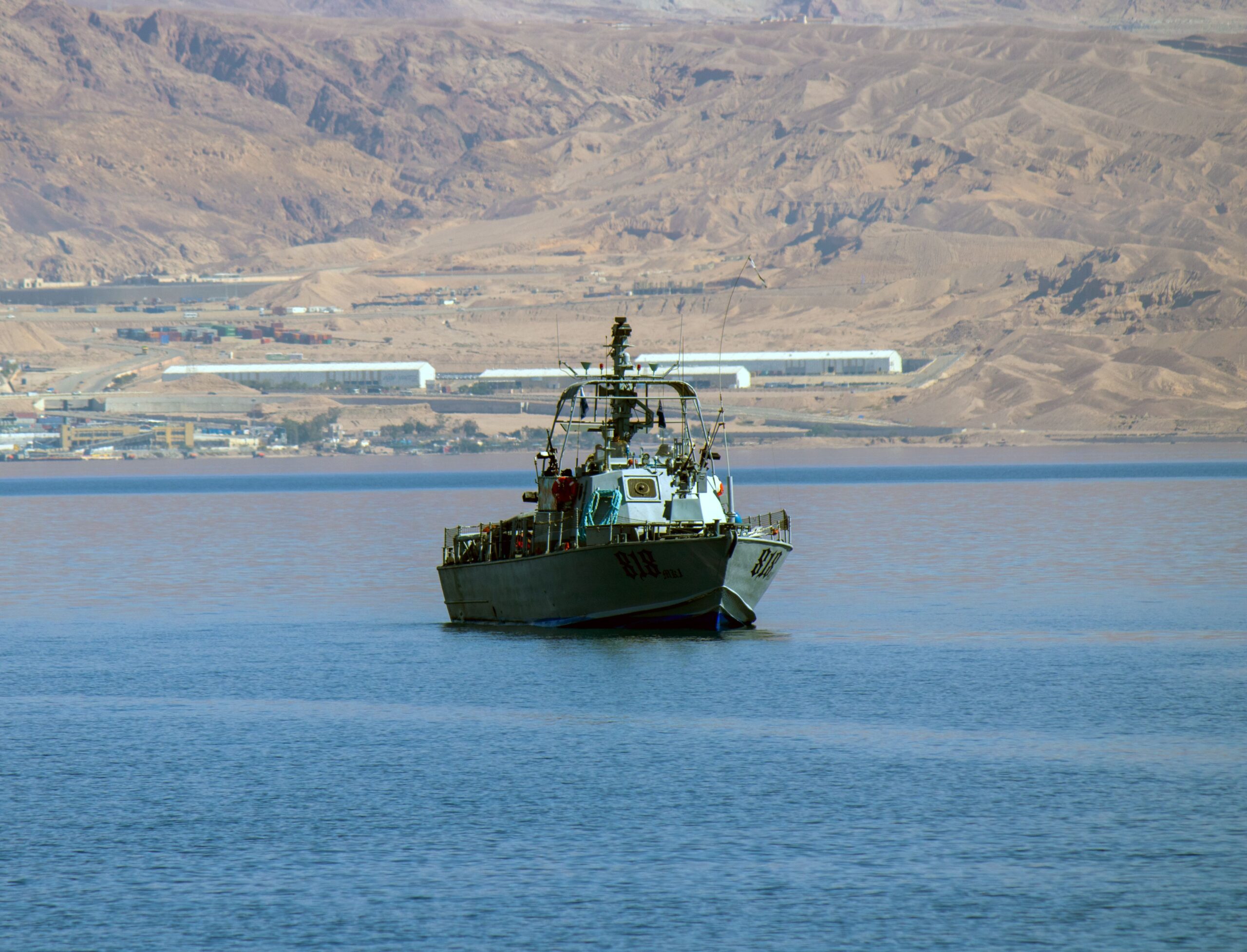
For this reason, maritime security has become an increasingly important component of regional stability.
Governments now devote greater attention to protecting shipping lanes, improving port infrastructure, expanding surveillance capabilities, and strengthening international cooperation to ensure uninterrupted commercial navigation.
Technology Is Reshaping Security
One of the defining characteristics of Middle East Security in 2026 is the growing influence of technology.
Artificial intelligence, satellite surveillance, unmanned aerial systems, cyber defense, and advanced intelligence capabilities have transformed both military planning and civilian emergency response.
Governments increasingly rely on technological innovation to monitor borders, detect maritime threats, protect critical infrastructure, and improve disaster response.
At the same time, cybersecurity has emerged as a major policy concern.
Financial institutions, energy infrastructure, transportation systems, and communication networks have become increasingly dependent on digital technologies that require sophisticated protection against cyberattacks.
Future security strategies are therefore expected to integrate conventional defense capabilities with advanced digital resilience.
Economic Stability as a Security Priority
Economic resilience has become inseparable from national security.
Governments recognize that stable economies strengthen social cohesion, reduce political instability, and improve long-term resilience against external shocks.
Diversification strategies have therefore become increasingly important.
Many countries are investing in renewable energy, digital economies, advanced manufacturing, logistics infrastructure, tourism, and knowledge-based industries to reduce dependence on hydrocarbon revenues.
Economic cooperation between neighboring countries also contributes to regional stability by creating shared interests that encourage peaceful engagement.
The Role of International Institutions
International organizations continue to play an important role in promoting regional stability.
The United Nations supports diplomatic initiatives, humanitarian assistance, and conflict prevention.
The International Atomic Energy Agency (IAEA) contributes technical expertise and international verification related to peaceful nuclear activities.
These institutions cannot resolve political disagreements independently.
However, they provide frameworks that encourage transparency, dialogue, and international cooperation.
Learn more at the United Nations: https://www.un.org and the International Atomic Energy Agency: https://www.iaea.org.
Can Regional Cooperation Replace Strategic Rivalry?
Perhaps the most important question facing policymakers concerns the future relationship between competition and cooperation.
Some analysts argue that geopolitical rivalry will remain a permanent feature of Middle Eastern politics.
Others believe increasing economic interdependence, technological cooperation, and regional development initiatives create new incentives for collaboration.
Recent years have demonstrated that governments are capable of pursuing diplomatic engagement even while maintaining strategic competition.
This reflects an increasingly pragmatic approach to foreign policy.
Rather than seeking complete political alignment, governments often prioritize practical cooperation in areas where mutual interests exist.
The Debate: Is Lasting Stability Possible?
The discussion surrounding Middle East Security in 2026 centers on several competing perspectives.
One school of thought argues that strong military capabilities remain essential because they discourage aggression and protect national sovereignty.
A second perspective emphasizes diplomacy, confidence-building measures, and international law as the most sustainable foundations for peace.
A third, increasingly influential view suggests that security depends on balancing military preparedness with economic development, technological innovation, diplomatic engagement, and regional cooperation.
This integrated approach recognizes that modern security challenges rarely have purely military solutions.
Instead, they require coordinated responses involving governments, international organizations, private industry, and civil society.
Lessons for Policymakers
Several important lessons emerge from recent regional developments.
First, communication remains essential during periods of political disagreement.
Second, resilient infrastructure—including energy systems, transportation networks, and digital communications—strengthens national preparedness.
Third, economic diversification reduces vulnerability to external shocks.
Fourth, international institutions continue to provide valuable mechanisms for dialogue and verification.
Finally, sustainable security requires long-term investment in diplomacy alongside national defense.
These lessons are relevant not only to the Middle East but also to other regions experiencing geopolitical competition.
Conclusion
The future of Middle East Security in 2026 will depend on decisions extending beyond military planning.
Diplomatic engagement, technological innovation, economic resilience, regional cooperation, and international law will all shape the region’s long-term stability.
While strategic competition is unlikely to disappear, governments possess increasing opportunities to manage disagreements through dialogue, confidence-building measures, and practical cooperation.
The ultimate challenge is not eliminating political differences but ensuring that those differences are managed peacefully.
The coming years will reveal whether regional leaders can transform recurring crises into opportunities for more durable security arrangements.
Frequently Asked Questions
What does Middle East security involve?
It includes military defense, diplomacy, economic resilience, maritime security, cybersecurity, energy infrastructure, and regional cooperation.
Why is diplomacy important?
Diplomatic engagement helps reduce misunderstandings, manage disputes, and establish communication channels that lower the risk of escalation.
How does technology influence regional security?
Artificial intelligence, cybersecurity, satellite monitoring, and unmanned systems increasingly support both defense operations and civilian infrastructure protection.
Can economic cooperation improve regional stability?
Many analysts believe that trade, infrastructure development, and investment create shared interests that encourage peaceful engagement between neighboring countries.