






The Iran–US relationship remains one of the most complicated and closely watched geopolitical issues in the modern world. For more than four decades, relations between Washington and Tehran have been shaped by mistrust, economic pressure, security competition, diplomatic negotiations, and occasional periods of limited cooperation.
The relationship has rarely followed a simple pattern of cooperation or confrontation. Instead, it has moved through cycles of escalation and negotiation, where military pressure, economic sanctions, and diplomatic engagement have each been used as tools to influence the behavior of the other side.
As global security challenges become more interconnected, a fundamental question has emerged:
Can military deterrence and economic pressure create the conditions for diplomacy, or do they make long-term cooperation more difficult?
The future of the Iran–US relationship may depend on how both countries balance these competing approaches.
The Iran–US Relationship: A History Defined by Conflict and Negotiation
The modern relationship between Iran and the United States has been shaped by decades of political disputes.
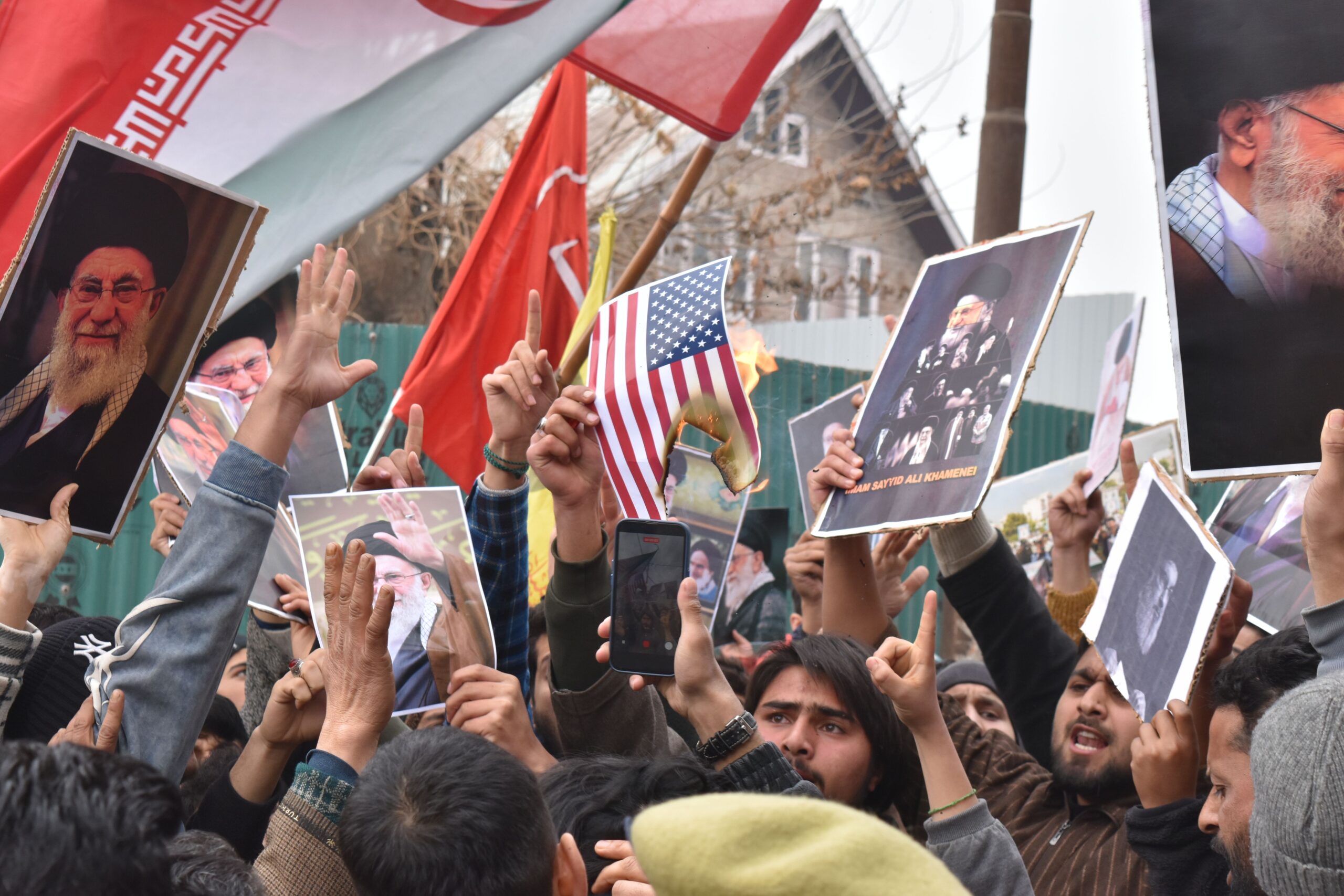
After the Iranian Revolution of 1979, relations deteriorated dramatically following the hostage crisis at the US Embassy in Tehran. Since then, disagreements over regional influence, security policies, nuclear activities, and economic restrictions have remained central issues.
However, despite deep political differences, both countries have periodically engaged in negotiations.
The 2015 Joint Comprehensive Plan of Action (JCPOA) represented one of the most significant diplomatic efforts between Iran and Western powers. Under the agreement, Iran accepted restrictions on parts of its nuclear program in exchange for sanctions relief and increased international monitoring.
Supporters argued that diplomacy created a mechanism for reducing nuclear risks. Critics maintained that the agreement did not address wider concerns, including Iran’s regional activities and missile capabilities.
The debate surrounding the agreement illustrates the broader challenge of negotiating with countries that have competing security priorities.
Military Deterrence: Protection or Escalation?
Military deterrence has long been a central element of US strategy toward Iran.
The concept behind deterrence is straightforward: a country discourages hostile actions by demonstrating that the consequences would be too costly.
Supporters argue that maintaining strong military capabilities prevents larger conflicts by signaling readiness and limiting the possibility of miscalculation.
From this perspective, military strength can support diplomacy because negotiations are often influenced by the balance of power between countries.
However, critics argue that deterrence can also create a cycle of insecurity.
When one country increases military capabilities, another may interpret those actions as preparation for aggression rather than defense. This can produce a security dilemma where both sides claim to be acting defensively while increasing tensions.
The challenge for policymakers is determining how to maintain credible security without closing the door to diplomatic solutions.
Sanctions as a Tool of Foreign Policy
Economic sanctions have become one of the most important instruments in US policy toward Iran.
The objective of sanctions is to create economic pressure that encourages policy changes without requiring direct military action.
Supporters argue that sanctions have successfully limited Iran’s economic resources and encouraged negotiations. The United States has historically viewed economic pressure as a way to influence Tehran’s decision-making.
However, opponents argue that sanctions can have unintended consequences.
Long-term economic restrictions may affect ordinary citizens, reduce economic opportunities, and strengthen political narratives that portray external powers as hostile.
There is also debate over whether sanctions create enough incentives for compromise or whether they encourage governments to adopt more resistant positions.
The effectiveness of sanctions often depends on several factors, including international cooperation, clear objectives, and whether diplomatic pathways remain available.
The Nuclear Question and the Search for Stability
The nuclear issue remains one of the most sensitive aspects of the Iran–US relationship.
International concerns have focused on ensuring that Iran’s nuclear activities remain peaceful and verifiable.
Diplomatic agreements have attempted to create monitoring systems, transparency measures, and limitations designed to reduce the risk of nuclear proliferation.
However, nuclear diplomacy has repeatedly faced challenges because of changing political leadership, disagreements over compliance, and broader regional security concerns.
The central disagreement often involves different interpretations of security.
The United States and its allies have emphasized preventing potential nuclear weapons development.
Iran has argued that it has the right to pursue peaceful nuclear technology and has criticized what it considers unequal international pressure.
Finding common ground requires addressing not only technical nuclear issues but also the deeper political mistrust between the two sides.
Can Diplomacy Survive Under Pressure?
Diplomacy is often most difficult when tensions are highest.
Negotiations require compromise, but governments facing domestic pressure may find compromise politically risky.
In the case of Iran and the United States, both governments face internal audiences that may view negotiations as a sign of weakness.
Yet history demonstrates that diplomacy can succeed even between rivals when both sides recognize the costs of continued confrontation.
Communication channels, third-party mediation, and confidence-building measures can reduce misunderstandings and create opportunities for gradual progress.
Countries such as Oman, Qatar, and other regional actors have historically played roles in facilitating dialogue between opposing parties.
The Economic Dimension of Security
The Iran–US relationship affects more than politics and military strategy.
Energy markets, international trade, shipping routes, and regional investment are all influenced by tensions between Washington and Tehran.
The Middle East remains strategically important because of its role in global energy supplies and maritime commerce.
Periods of instability can increase uncertainty for businesses, affect commodity prices, and create wider economic consequences.
This means that diplomacy is not only a security issue—it is also an economic priority.
A stable relationship, even one based on managed competition rather than friendship, could provide benefits for regional and global markets.
The Debate: Pressure or Engagement?
The future direction of the Iran–US relationship remains deeply contested.
One argument supports continued pressure.
Advocates believe that strong sanctions and military deterrence are necessary because diplomatic engagement without leverage may produce limited results.
According to this view, negotiations are most effective when a country faces meaningful consequences for unacceptable actions.
A second perspective argues that excessive pressure reduces the possibility of cooperation.
Supporters of engagement believe that diplomacy requires incentives, trust-building, and recognition of mutual security concerns.
They argue that isolation can strengthen hardline positions and make compromise more difficult.
A third approach suggests that neither pressure nor diplomacy alone is sufficient.
This perspective supports a balanced strategy combining:
- Defensive deterrence.
- Targeted economic measures.
- Direct communication.
- Verification mechanisms.
- Regional dialogue.
The debate ultimately centers on one question:
Should the goal of foreign policy be to force change or manage differences?
Lessons from Past Negotiations
Several lessons emerge from decades of interaction between Iran and the United States.
First, agreements require durability.
A diplomatic arrangement that depends entirely on one government or political administration may struggle to survive leadership changes.
Second, verification matters.
Successful agreements require clear monitoring systems that allow all parties to measure compliance.
Third, security concerns must be addressed broadly.
Nuclear issues, regional conflicts, economic restrictions, and military capabilities are interconnected. Addressing only one issue may leave other sources of tension unresolved.
Finally, communication remains essential.
Even during periods of disagreement, maintaining diplomatic channels can prevent misunderstandings from escalating into larger crises.
The Future of the Iran–US Relationship
The future of the Iran–US relationship will likely continue to involve competition and negotiation at the same time.
Complete normalization may remain difficult because of decades of mistrust and conflicting interests.
However, limited cooperation on specific issues may still be possible.
The international environment increasingly requires governments to manage disagreements rather than seek absolute victories.
For Iran and the United States, the most realistic path may involve carefully structured agreements that reduce risks while acknowledging political differences.
Conclusion
The debate over military deterrence, sanctions, and diplomacy reflects a larger question about how nations manage rivalry in the modern era.
Military power can influence behavior, but it cannot solve every political disagreement.
Sanctions can create pressure, but pressure alone may not produce lasting agreements.
Diplomacy can open opportunities, but successful negotiations require trust, verification, and political commitment.
The future of the Iran–US relationship will depend on whether both sides can move beyond cycles of confrontation and develop a framework where competition does not automatically lead to crisis.
The central challenge is not choosing between strength and diplomacy.
It is understanding how both can be used responsibly to reduce the risk of conflict and create space for long-term stability.
Frequently Asked Questions (FAQ)
Why is the Iran–US relationship so difficult?
The relationship is shaped by decades of political disagreements, security concerns, sanctions, regional competition, and mistrust.
Do sanctions work against Iran?
Sanctions can create economic pressure, but their effectiveness depends on international cooperation, political objectives, and whether diplomatic options remain available.
Can military deterrence prevent war?
Deterrence may discourage aggression, but it can also increase tensions if countries misinterpret each other’s intentions.
What role does diplomacy play?
Diplomacy provides a mechanism for negotiation, reducing misunderstandings, creating agreements, and managing disagreements peacefully.
Recommended Outbound Links:
- International Atomic Energy Agency (IAEA): https://www.iaea.org
- Council on Foreign Relations – Iran Nuclear Deal Background: https://www.cfr.org/backgrounders/what-iran-nuclear-deal
- Congressional Research Service – Iran Policy Overview: https://crsreports.congress.gov